
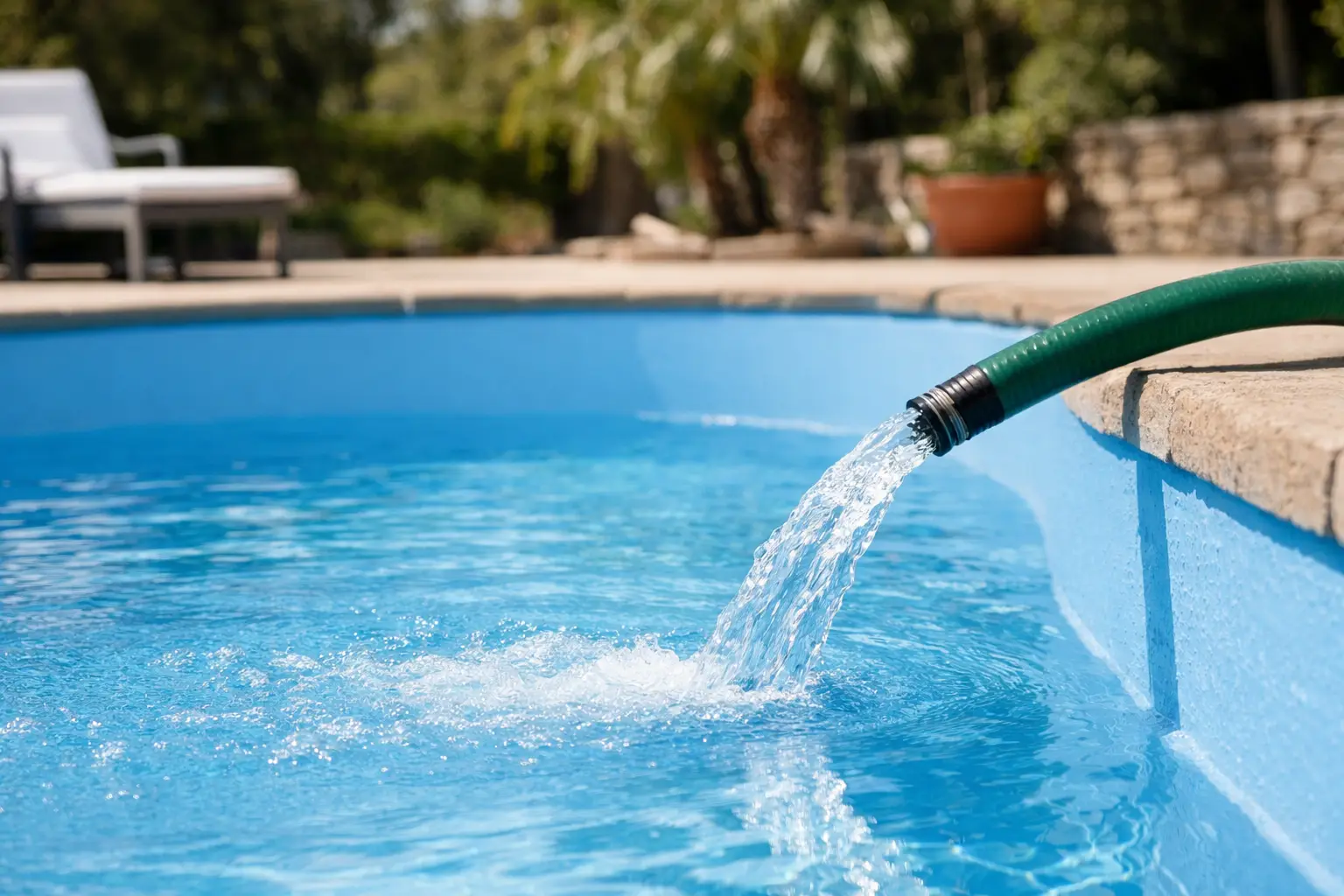
If you are asking when can you refill painted pool surfaces, you are at the point where rushing the last step can ruin the whole job. A pool might look dry after a day or two, but that does not mean the coating is ready to sit under thousands of litres of water. Refill too early and you risk blistering, soft paint, poor adhesion and a finish that fails long before it should.
For most epoxy pool paint systems, the right answer is usually several days, not overnight. The exact timing depends on the product, the weather, the pool surface and whether you are painting concrete or fibreglass. This is where many DIY jobs go wrong. The paint gets applied properly, then the curing window is ignored.
When can you refill a painted pool after epoxy paint?
In practical terms, most painted pools should only be refilled once the coating has fully cured, not just dried to touch. With a quality epoxy system, that often means waiting around 5 to 7 days before filling, but you must follow the product data for the exact system you are using.
That gap matters because epoxy cures by chemical reaction. It is not like house paint that simply dries as solvent evaporates. Even when the surface feels firm, the coating underneath can still be curing. Water pressure, chemicals and immersion too soon can interrupt that process.
If you are using a premium epoxy coating designed for Australian pools, the cure time will usually be listed clearly. Treat that cure window as non-negotiable. A day saved during filling can cost you years off the coating life.
Dry to touch is not ready for water
This is the main misunderstanding behind early refill problems. Pool paint can appear finished well before it is immersion-ready.
Dry to touch means the surface skin has hardened enough that it is no longer tacky. Recoat time means you can apply the next coat. Full cure means the coating has reached the hardness and chemical resistance needed for permanent water contact. Those are three different stages.
For a swimming pool, only full cure matters when deciding refill time.
A painted concrete pool sitting empty in warm weather may feel dry quickly, especially in Sydney summer conditions. But if nights are cool, humidity is high, or the shell still holds moisture, cure time stretches out. The same applies in coastal areas where drying conditions can change fast.
What affects how long you need to wait?
Temperature
Warm, stable weather helps epoxy cure properly. If daytime temperatures are good but nights drop too low, the coating can cure slowly. Cold weather is one of the biggest reasons a pool needs longer before refill.
As a general rule, the lower the temperature, the longer you wait. If conditions are borderline during application, build extra curing time into the job instead of trying to refill on the earliest possible day.
Humidity
High humidity slows solvent evaporation and can affect how the coating sets. In some cases it can also lead to surface issues that reduce finish quality. This is especially relevant in humid coastal parts of Australia.
If the weather has been damp, overcast or humid, do not assume standard cure times still apply.
Surface type
Concrete and fibreglass pools behave differently. Concrete can hold residual moisture, especially if it has recently been cleaned, acid washed or repaired. That moisture can affect both adhesion and cure. Fibreglass tends to be more stable, but surface prep is critical and cure time still matters.
Number of coats and film thickness
A heavier coat does not mean a better job. If paint has been applied too thick, it can stay soft underneath even when the top looks dry. This is another reason failed DIY jobs happen. The coating goes on too heavy, then gets filled too soon.
Following the recommended spread rate is just as important as waiting the correct number of days.
When can you refill painted pool surfaces in cooler months?
If you are repainting in autumn or during a mild winter period, be more conservative. Cooler temperatures slow chemical cure, and early morning condensation can interfere with the finish.
In these conditions, waiting longer than the minimum stated cure time is often the smarter move. If your product says 5 to 7 days under normal conditions, and the weather has been cool or inconsistent, allow extra time rather than trying to hit the earliest refill date.
This matters even more for shaded pools, southern-facing backyards and inland areas with colder nights. A pool that gets little direct sun may cure slower than the weather report suggests.
Signs the pool is not ready to refill
You should not rely on touch alone, but there are a few warning signs that tell you the coating needs more time.
If the paint still feels slightly soft under pressure, has an odour that seems strong, or marks too easily, it is not ready. If there has been overnight moisture, rain, or debris sticking to the surface during curing, inspect it carefully before filling.
A properly cured epoxy coating should feel hard, consistent and stable across the whole pool, not just on the steps or sun-exposed sections.
If you are unsure, wait. Waiting an extra day is cheap. Repainting a failed pool is not.
What happens if you refill too early?
The most common problem is blistering or bubbling once the pool is filled. You can also get soft film, staining, loss of gloss, poor chemical resistance and adhesion failure. In bad cases, the paint may lift or peel in sheets.
This is not always immediate. Sometimes the pool looks fine after filling, then problems show up weeks later once water chemistry and pressure start working on an under-cured coating.
That is why refill timing is not a minor detail. It directly affects how long the paint lasts.
How to avoid costly mistakes before refill
The safest approach is to plan the whole job backwards from the fill date. Do not paint the pool just because you have a free weekend if the weather is unstable or you need the pool back in service too quickly.
Use the correct epoxy pool paint for the substrate. Make sure prep is done properly. Follow the coverage rate so the coating is not applied too heavily. Then allow full cure based on actual site conditions, not best-case conditions.
If you are repainting an older pool with existing paint, product choice becomes even more important. Putting the wrong coating over an unknown or failing surface can create problems before curing is even part of the equation. In those cases, identifying the existing system and choosing a compatible epoxy product is worth doing properly the first time.
Product choice affects refill confidence
Not all pool paints perform the same, and not all have the same curing behaviour. A proper epoxy pool coating gives you the best chance of long-lasting results, especially on concrete and fibreglass pools exposed to strong UV, pool chemicals and heavy summer use.
If your goal is to avoid repainting again in a couple of seasons, this is not the place to cut corners with a cheap coating. Choosing a system designed for full immersion and Australian conditions makes refill timing clearer and performance more reliable.
That is also where good technical support helps. If you are unsure how much paint you need, whether your surface is ready, or how long to wait before filling, get advice before you start. Pool Paint Sydney supports customers with product selection, quantity guidance and practical help so the job gets done properly.
A practical refill rule to follow
If you want the simple version, it is this: only refill once the epoxy coating has fully cured according to the product instructions, and add extra time if weather conditions have been poor.
Do not guess. Do not refill because it looks dry. Do not let a pool installer, tenant, customer or family member pressure you into filling early just to get the job finished.
A painted pool is only as good as the prep, the product and the cure. If you get those three right, you give the coating every chance to last. If you cut the curing stage short, you undo the hard work at the final step.
If you are about to repaint and want to choose the right epoxy system the first time, focus on the surface type, existing coating condition and the real curing window you can allow. That is how you avoid costly mistakes and get a finish worth filling.